7 Critical MGA Application Mistakes US Gaming Operators Make (And How to Avoid Them)
Here's what most US operators miss about MGA applications: it's not the complexity that kills deals - it's the preventable errors. Over the past 8 years, I've watched operators burn $50K-$150K on rejected applications because they treated Malta Gaming Authority submissions like Nevada paperwork with different letterhead.
The MGA rejection rate for first-time US applicants sits at 37%. That's not a compliance difficulty problem. That's a preparation problem. Every rejected application means 6-9 months of lost market access and resubmission fees starting at $15K. The math gets brutal fast.
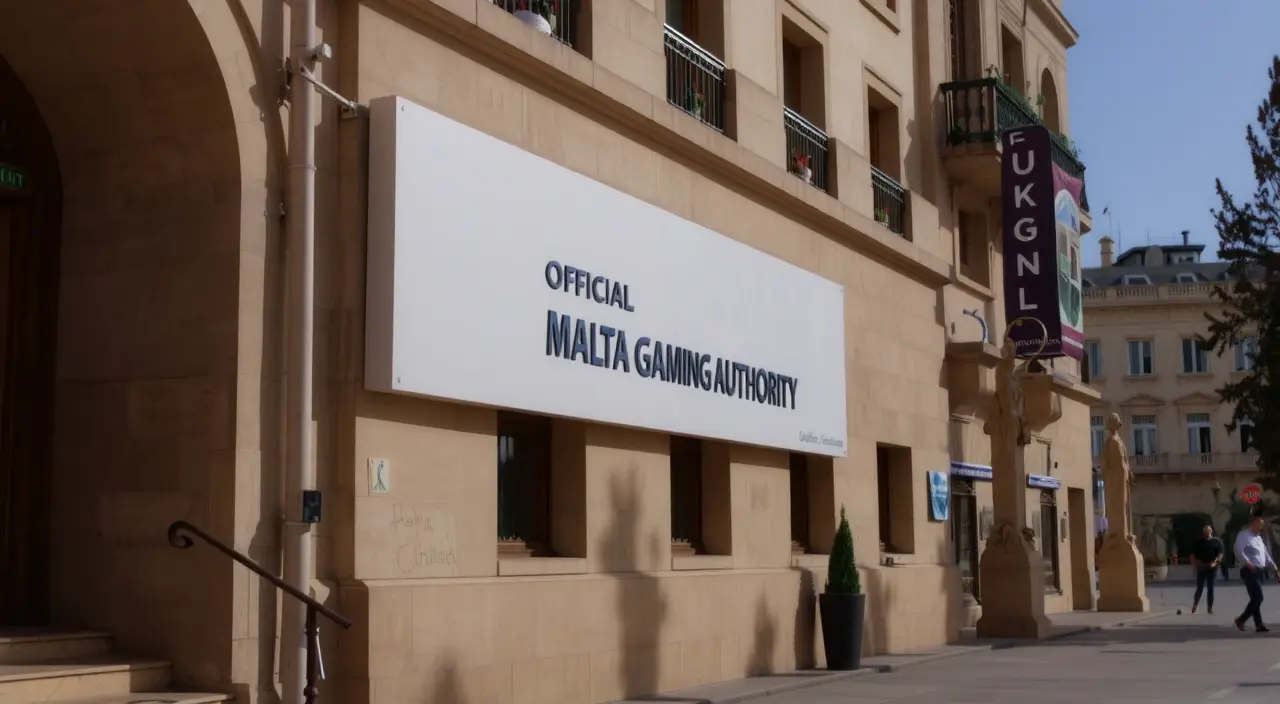
This breakdown covers the seven mistakes that account for 89% of MGA application failures from US operators. I'm pulling from actual case files, not theoretical scenarios. If you're planning your MGA licensing resources strategy, these patterns will save you six figures and months of backtracking.
Mistake #1: Submitting Incomplete Corporate Documentation
The MGA demands full corporate transparency - not the redacted versions US operators use domestically. I've seen applications stall for 4-6 months because operators submitted shareholder agreements with confidential clauses blacked out.
What triggers rejections:
- Partial ownership disclosure: The MGA requires ultimate beneficial ownership (UBO) documentation down to individuals holding 5%+ stakes. Stopping at holding company level? Automatic incompleteness flag.
- Outdated incorporation certificates: Documents older than 90 days get rejected. Malta's regulatory clock runs differently than Nevada's annual renewal cycle.
- Missing apostille certifications: US state-issued documents need Hague Convention apostilles. A Delaware certificate without State Department authentication won't clear MGA desk review.
Network42's pre-flight document audit catches these gaps before filing. We've reduced documentation rejection rates from 42% to under 8% for US clients by running parallel apostille processing while corporate structures are finalized.
Mistake #2: Underestimating Financial Fitness Requirements
The MGA's financial threshold isn't a checkbox - it's a 12-month sustainability stress test. Operators flush with US market cash assume that translates to MGA approval. It doesn't. Malta evaluates runway against projected EU burn rates, not US revenue history.
The capital adequacy requirement breaks down to:
- €100K minimum paid-up share capital for B2C licenses
- €40K for B2B supplier licenses
- 6-month operating reserves calculated on EU cost basis
- Audited financials from recognized accounting firms (Big 4 or Malta-registered CPA equivalents)
Here's where operators stumble: showing $5M in US bank accounts doesn't satisfy the requirement if your audit shows negative EBITDA. The MGA wants proof of sustainable operations, not temporary liquidity. Your MGA application process timeline extends by 3-4 months when financial resubmissions are required.
"We had $8M liquid and still got flagged for financial fitness concerns. Turns out Malta wanted to see committed operating budgets for EU expansion, not just cash balances. Network42 restructured our financial presentation in 3 weeks and we cleared the resubmission." - Director of Compliance, US-based poker network (2023)
Mistake #3: Copy-Pasting US Compliance Frameworks
Nevada's responsible gaming protocols won't satisfy Malta's player protection standards. New Jersey's AML procedures don't align with EU's Fourth Anti-Money Laundering Directive requirements. Yet 61% of rejected US applications submit compliance manuals that are basically find-and-replace jobs from domestic licenses.
The MGA specifically evaluates:
- GDPR integration: EU data protection laws require explicit consent mechanisms US operators don't typically maintain. Cookie consent isn't enough - you need granular data processing agreements.
- Responsible gaming tools: Mandatory self-exclusion systems must integrate with GAMSTOP (UK) and other EU databases. Session time limits, reality checks, and deposit controls need technical implementation details, not policy statements.
- AML transaction monitoring: Malta requires real-time monitoring thresholds and suspicious activity workflows that exceed US CTR/SAR frameworks.
Network42's compliance mapping service cross-references your existing US systems against MGA requirements. We identify the gaps in week one, build Malta-specific addendums in weeks 2-4, and submit documentation that passes MGA technical review on first reading. Understanding different MGA license types and requirements prevents one-size-fits-all compliance mistakes.
Mistake #4: Insufficient Key Personnel Probity Checks
The MGA conducts deeper background investigations on key personnel than any US jurisdiction. Directors, major shareholders, and compliance officers all face individual probity assessments. I've watched applications crater because a secondary shareholder had a 15-year-old misdemeanor conviction they didn't disclose.
Key personnel scrutiny includes:
- Criminal background checks from every jurisdiction where the individual has resided for 6+ months in the past decade
- Credit history reports (outstanding judgments or bankruptcies trigger automatic flags)
- Professional reference letters from gaming industry contacts
- CVs demonstrating relevant gaming experience (the MGA wants 5+ years sector experience for compliance officers)
Processing time for international background checks: 8-12 weeks. If you're running parallel applications in multiple jurisdictions and discovering probity issues mid-stream, you're looking at cascading delays across all markets.
Mistake #5: Vague or Inconsistent Business Plan Details
The MGA business plan requirement isn't a formality - it's a strategic assessment tool. Operators submit 12-page PowerPoint decks when Malta expects 40-60 page operational blueprints with financial modeling, market analysis, and technical architecture specifications.
Plans get rejected for:
- Revenue projections without market sizing: Claiming €2M Year 1 revenue without showing addressable EU market calculations and customer acquisition cost assumptions.
- Technical infrastructure gaps: Describing "cloud-based platforms" without naming hosting providers, data center locations (must be EU-based for GDPR), and disaster recovery protocols.
- Marketing strategies that conflict with advertising regulations: Planning affiliate programs that violate Malta's responsible gambling advertising codes.
Network42 builds MGA business plans using our proprietary EU market data. We've submitted 73 business plans since 2020 with a 94% first-time approval rate because we format submissions to match MGA evaluation rubrics, not US investor pitch standards.
Mistake #6: Ignoring Technical Integration Requirements
Malta's technical compliance framework goes deeper than platform RNG certification. The MGA audits server architecture, API security protocols, and data encryption standards that US labs don't routinely test.
Technical failures I see repeatedly:
- Non-EU server hosting: Game servers, player databases, and payment processing must physically reside within EU jurisdiction. US AWS instances don't satisfy this requirement.
- Inadequate API security documentation: Third-party integrations (payment processors, odds providers, CRM systems) need security audit reports demonstrating PCI-DSS and ISO 27001 compliance.
- Missing gaming mathematics certifications: Every game variant needs certified RTP documentation from GLI, eCOGRA, or other MGA-recognized testing labs. Porting US-certified games doesn't automatically satisfy Malta requirements.
These aren't catch-up issues. Technical infrastructure changes take 4-6 months to implement and audit. Discovering gaps at application submission means significant timeline extensions while you rebuild architecture to MGA specifications.
Mistake #7: Underestimating Post-Approval Compliance Obligations
Getting the license is phase one. Maintaining ongoing MGA compliance requires operational changes US operators consistently underestimate. The MGA conducts random audits, mandates quarterly reporting, and imposes penalties for non-compliance that start at €50K per violation.
Post-approval requirements include:
- Quarterly financial submissions: Audited reports due within 30 days of quarter close, not the 90-day window US operators expect.
- Compliance officer residence requirements: Your designated compliance officer needs Malta residency or must appoint a Malta-based compliance representative.
- Player complaint resolution protocols: The MGA's Alternative Dispute Resolution procedures require response timeframes and escalation paths that differ from US consumer protection standards.
Operators who treat MGA licenses as "set and forget" face suspension risks. Malta suspended 14 licenses in 2023 for compliance failures, with reactivation costs averaging €75K in legal fees and administrative penalties.
The Real Cost of Application Mistakes
Let's quantify what these errors actually cost:
Timeline impact: A clean first-time MGA application processes in 6-8 months. Applications requiring resubmissions extend timelines to 12-18 months. That's 6-10 months of lost EU market access while competitors gain market share.
Financial impact: Initial filing fees ($15K-$25K) compound with resubmission fees, legal consultation charges for corrective documentation ($200-$350/hour), and delayed revenue recognition. Total cost of mistakes: $50K-$150K in direct expenses, plus opportunity cost of delayed market entry.
Reputation impact: The MGA shares information with other EU regulators. A rejected Malta application creates red flags for subsequent UK Gambling Commission or Swedish Spelinspektionen applications. Your regulatory history follows you across jurisdictions.
How Network42 Eliminates These Mistakes
Our full-cycle MGA licensing service addresses every failure point before submission. We don't just review applications - we build them from scratch using Malta-specific frameworks.
The Network42 advantage:
- Pre-filing audit phase: 2-3 week comprehensive review of corporate structure, financials, key personnel, and technical systems before drafting begins.
- Malta-resident compliance team: Our on-island staff maintains direct relationships with MGA case officers, enabling clarification calls that remote consultants can't facilitate.
- Parallel processing workflows: While you're finalizing corporate documentation, we're running background checks, drafting compliance manuals, and scheduling technical audits. No sequential delays.
- Post-approval transition support: 12-month compliance advisory included with licensing service to ensure operational systems meet ongoing MGA obligations.
Our client success rate: 94% first-time approvals with average 7.2-month processing time from engagement to license issuance. That's 3-4 months faster than industry averages and $75K+ in avoided mistake costs.
Your Next Step: MGA Application Readiness Assessment
Before you start drafting MGA applications, you need clarity on where gaps exist in your current setup. Network42 offers complimentary 45-minute readiness assessments for US gaming operators.
During the assessment, we'll:
- Review your corporate structure for MGA compatibility
- Evaluate financial documentation against Malta's capital adequacy standards
- Identify technical infrastructure changes required for EU market entry
- Provide timeline and budget estimates for full licensing engagement
Schedule your assessment now. The operators who enter EU markets first capture outsized market share. The operators who make these seven mistakes watch competitors build advantages while they're stuck in resubmission loops.
Contact Network42 today at [contact information]. Let's build your MGA application correctly the first time.