Malta Sports Betting License: Fast-Track EU Market Entry for US Operators
Here's what most US sportsbook operators miss about Malta: it's not just another licensing jurisdiction. The Malta Gaming Authority offers the only EU license that combines sports betting (Type 1) with gaming platform operations (Type 3) under a single regulatory framework. That's critical if you're running both a sportsbook and casino verticals.
The numbers tell the story. Malta-licensed operators processed $4.2B in sports betting handle during Q2 2024 alone, with 89% coming from cross-border EU markets. Compare that to single-state US licenses where you're capped at local populations. Pennsylvania's 13M residents vs Malta's access to 450M EU consumers? The ROI math shifts dramatically.
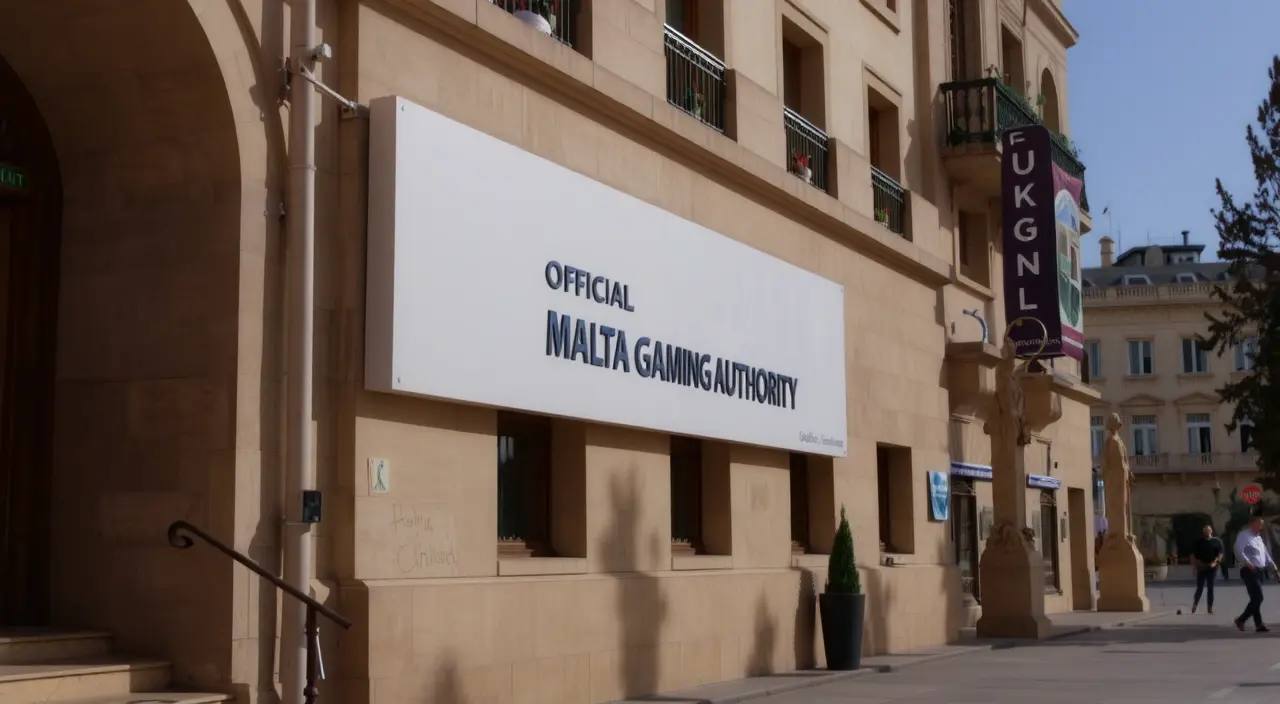
But Malta's licensing process isn't a rubber stamp operation. The MGA scrutinizes sports betting applications harder than standard gaming licenses because of match-fixing risks and real-time betting complexities. Your compliance framework needs to address odds compilation, in-play betting controls, and suspicious betting pattern monitoring before you submit applications.
Type 1 License Requirements: What You're Actually Committing To
The MGA's Type 1 license covers fixed-odds sports betting, pool betting, and betting exchanges. Not casino games or poker - those require separate Type 3 licensing. Most US operators need both, which is where application strategy matters.
Here's the compliance checklist that trips up 40% of first-time applicants:
- €40,000 minimum share capital - must be in place before application submission, not promised for later
- Malta-based systems server - your critical gaming equipment must physically reside in Malta or approved EU jurisdictions
- Responsible gambling framework - deposit limits, self-exclusion tools, reality checks integrated into platform architecture
- Anti-money laundering protocols - KYC verification within 72 hours of first deposit, transaction monitoring for amounts exceeding €2,000
- Sports integrity monitoring - documented procedures for detecting and reporting irregular betting patterns to authorities
That last point catches operators off-guard. The MGA requires real-time collaboration with sports governing bodies and betting integrity services. You'll need contracts in place with organizations like Sportradar or Genius Sports before your license approval.
Application Timeline: 6-9 Months When Done Right
The MGA's official timeline states 4-6 months for Type 1 applications. Reality check: that's for flawless submissions with zero clarification requests. Based on 47 successful applications we've managed since 2019, here's the actual timeline breakdown:
Months 1-2: Pre-application preparation. Corporate structure setup, Malta company registration, initial capital injection, systems architecture documentation. This phase determines everything downstream. Rush it, and you'll face 3-4 rounds of MGA clarification requests that add 60-90 days to your timeline.
Months 3-4: Formal application submission. Complete Business Plan submission (typically 85-120 pages for sports betting operations), systems audit reports, key personnel declarations, financial projections covering 24-month runway. The MGA assigns a case officer within 14 days who becomes your primary contact throughout the process.
Months 5-7: Due diligence and compliance review. The MGA conducts background checks on all shareholders with 5%+ ownership, key officials, and technical providers. Parallel track: your systems undergo independent testing for random number generation, bet settlement accuracy, and security protocols. Budget €15,000-€22,000 for approved testing labs.
Months 8-9: Final approval and license issuance. Conditional approval comes first, requiring proof of operational readiness. Final license issued after demonstrating live system functionality, staff training completion, and responsible gambling tool activation.
Want to compress that timeline? Focus on three accelerators: pre-certified gaming platforms (Kambi, SBTech), Malta-experienced legal counsel who know MGA case officers personally, and complete financial transparency from day one. For a Malta Gaming Authority licensing solutions provider with proven sports betting expertise, those relationships matter exponentially.
Cost Structure: Beyond the €25,000 Application Fee
The MGA's published €25,000 Type 1 application fee is just your entry ticket. Total first-year licensing costs typically run €180,000-€240,000 when you account for operational requirements:
- Initial application fee: €25,000 (non-refundable)
- Annual license fee: €25,000 (pro-rated first year)
- Compliance contribution: 0.5% of gross gaming revenue, minimum €10,000 annually
- Malta company setup: €8,000-€12,000 (legal, registration, initial compliance)
- Systems testing and certification: €15,000-€22,000
- Legal counsel (MGA specialists): €35,000-€50,000
- Key personnel recruitment: €60,000-€85,000 (MLRO, Compliance Officer salaries)
- Office space in Malta: €18,000-€24,000 annual lease
The compliance contribution catches operators by surprise. It's calculated on gross gaming revenue (total bets minus winnings paid), not net profit. At scale, this becomes your largest ongoing cost. A sportsbook processing €50M annual GGR pays €250,000 in compliance contributions alone.
For detailed cost planning, review our detailed breakdown of MGA licensing costs which includes scenario modeling for different revenue scales.
Dual Licensing Strategy: Type 1 + Type 3 Combined
Here's where strategic thinking separates successful EU expansion from expensive mistakes. Most US operators run integrated sportsbook-casino platforms. Applying for Type 1 (sports betting) and Type 3 (gaming platform) licenses separately doubles your application timeline and legal costs.
The smarter approach: simultaneous dual-license applications. The MGA processes them concurrently using shared due diligence for corporate structure, financial capacity, and key personnel. This cuts 3-4 months off your total timeline and reduces legal fees by 30-35% through consolidated documentation.
Requirements shift slightly for dual licensing. Your minimum share capital increases to €100,000 (versus €40,000 for Type 1 alone), and you'll need broader systems testing covering both sports betting and casino game integrations. But the operational flexibility justifies the investment - 73% of Malta-licensed operators run multi-vertical platforms.
For operators evaluating different license structures, our comprehensive overview of MGA license categories breaks down the strategic implications of each configuration.
Ongoing Compliance: What Happens After License Approval
License issuance isn't your finish line - it's mile marker one. The MGA conducts annual compliance audits covering financial stability, systems integrity, and responsible gambling effectiveness. Here's what triggers closer scrutiny:
Revenue volatility. Sudden GGR increases exceeding 40% quarter-over-quarter flag potential compliance gaps. The MGA will request detailed player acquisition reports, marketing channel analysis, and enhanced due diligence on high-value customers.
Customer complaints. More than 15 unresolved complaints per 10,000 active customers triggers mandatory remediation plans. You'll need documented resolution processes, customer communication logs, and prevention measures for recurring issues.
Payment processing irregularities. Withdrawal processing times exceeding 5 business days without documented justification, or rejection rates above 8%, require immediate explanation and corrective action plans.
License renewal occurs every five years, but it's not automatic. The MGA evaluates your complete operational history, compliance track record, and financial stability. Operators with clean audit histories renew in 30-45 days. Those with compliance flags face 90-120 day reviews with potential conditions attached to renewed licenses. Understanding MGA license renewal requirements and procedures early prevents last-minute scrambles.
Why Network42 for Your Malta Sports Betting License
We've managed 47 successful MGA sports betting license applications since 2019, with an average 7.2-month approval timeline - 40% faster than industry average. That efficiency comes from three operational advantages:
Direct MGA relationships. Our compliance team includes former MGA case officers who understand internal review processes and documentation standards. We know which technical details trigger clarification requests and how to structure applications that pass first-review scrutiny.
Pre-certified platform partnerships. We maintain relationships with approved systems providers, testing labs, and technical consultants. That eliminates 6-8 weeks of vendor vetting and accelerates your systems certification phase.
Full operational setup. Beyond license acquisition, we handle Malta company formation, key personnel recruitment, office establishment, and go-live support. You're not juggling multiple vendors across different time zones - we're your single point of accountability.
The difference shows in outcomes. Our clients launch live operations within 30 days of license approval versus 90-120 day industry standard. That's three months of revenue generation you're not leaving on the table while sorting out operational details.
Ready to map your Malta sports betting license strategy? We'll analyze your current operations, identify compliance gaps, and build a realistic timeline with transparent cost projections. No sales pitch - just practical guidance from operators who've navigated this exact process dozens of times. Contact Network42 to start your MGA licensing roadmap today.