Complete Guide to MGA License Types: B2B, B2C & Critical Casino Requirements
Malta Gaming Authority issues four distinct license categories, but here's what trips up most operators: picking the wrong type adds 3-6 months to your approval timeline and potentially $50K in wasted compliance costs. The difference between B2B and B2C licenses isn't just semantic - it fundamentally changes your regulatory obligations, capitalization requirements, and operational flexibility.
This guide breaks down each MGA license type with the specifics US operators need: exact capital requirements, processing timelines, and which category matches your business model. No fluff - just the regulatory framework that determines whether you're filing the right application from day one.
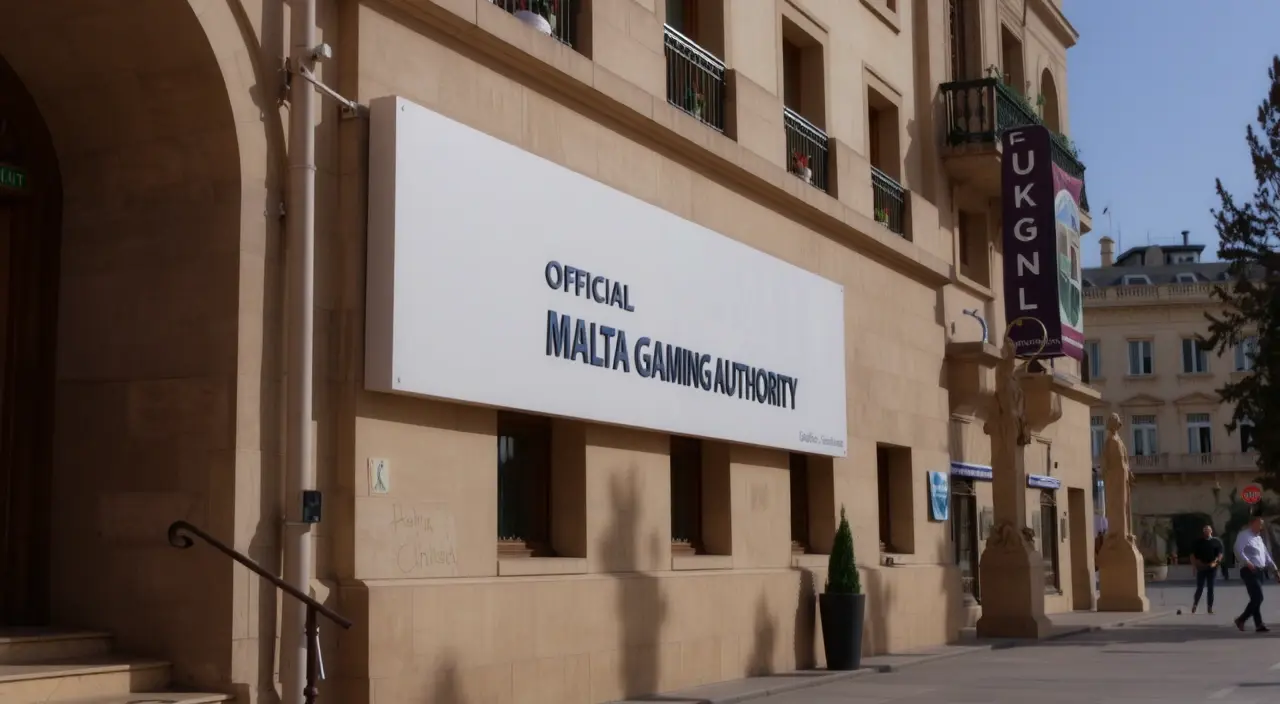
Before diving into individual categories, understand this: MGA restructured its licensing framework in 2018, consolidating from multiple classes into four streamlined types. If you're reading outdated guidance referencing "Class 1" or "Class 4" licenses, disregard it. Current regulations operate under a fundamentally different structure.
The Four MGA License Categories: Strategic Overview
Malta Gaming Authority structures licenses around two variables: service type (B2B vs B2C) and game category (Type 1-4 gaming). Most US operators entering EU markets need either a B2C Type 1-3 license for direct casino operations or a B2B critical gaming supply license for platform provision. Here's the breakdown that matters for licensing strategy.
Type 1 Gaming: Low-Risk, Low-Barrier Entry Point
Type 1 covers peer-to-peer games and promotional lotteries. Think poker tournaments where the house takes a rake, not slots or table games. Initial deposit requirement: €40,000. Processing time: 4-6 months for straightforward applications. This is your fastest path to MGA authorization, but limited in scope - you can't operate standard casino games under Type 1.
Most US casino operators skip Type 1 entirely. It's relevant for poker-focused platforms or sports betting operators adding P2P betting pools. If your core business model involves slots, blackjack, or roulette, you need Type 2 or Type 3 licensing.
Type 2 Gaming: Standard Casino Operations License
Type 2 is where traditional online casinos live. Covers games of chance with random outcomes - slots, roulette, most table games. Initial capital requirement: €100,000 liquid assets, demonstrable before application submission. Add another €100,000 for the bank guarantee MGA requires during the approval process.
Processing timeline: 6-9 months for B2C operators with clean compliance records. Extends to 12+ months if your beneficial owners have previous regulatory issues or complex corporate structures. For detailed cost planning, see our detailed breakdown of MGA license costs including annual fees and ongoing compliance expenses.
Here's the critical detail most operators miss: Type 2 B2C licenses require quarterly audits from MGA-approved testing facilities. Budget €15K-€25K annually for these mandatory compliance checks. Factor this into your operational costs from year one.
Type 3 Gaming: Live Dealer and Physical Outcome Games
Type 3 covers live casino games where outcomes depend on physical events broadcast in real-time. Live dealer blackjack, roulette with actual wheels, streamed poker tables. Also includes remote betting on sporting events and skill games with live components.
Capital requirements match Type 2: €100,000 initial deposit plus €100,000 bank guarantee. But operational complexity increases significantly. You need documented agreements with live studio providers, camera equipment specifications, dealer training protocols, and real-time monitoring systems before MGA approves your application.
Processing time stretches to 9-12 months because MGA inspects your technical infrastructure more thoroughly. They verify your live streaming capabilities, backup systems, and incident response procedures. If you're planning live dealer operations, start infrastructure setup 6 months before filing - it's the biggest bottleneck in Type 3 approvals.
Type 4 Gaming: Controlled Skill Games and Fixed-Odds Betting
Type 4 is the outlier category. Covers games where player skill significantly influences outcomes - certain poker variants, fantasy sports, specific betting formats. Also includes fixed-odds betting on non-sporting events like political outcomes or entertainment awards.
Capital requirement: €40,000 (matching Type 1's lower threshold). Processing time: 6-8 months. Most US operators don't pursue standalone Type 4 licenses - they're typically bundled with Type 2 or Type 3 authorizations for comprehensive game libraries.
The strategic consideration: Type 4 triggers additional consumer protection requirements around skill-based gaming. MGA scrutinizes your responsible gaming measures more intensively, particularly how you prevent problem gambling in skill-game contexts. Budget extra time for detailed RG policy documentation if Type 4 applies to your operation.
B2B vs B2C: The Licensing Fork That Changes Everything
Beyond game types, MGA distinguishes between B2B suppliers and B2C operators. This isn't administrative paperwork - it's a fundamental regulatory divide with different compliance obligations, capital requirements, and approval processes.
B2C Gaming License: Direct Player-Facing Operations
B2C licenses authorize you to operate casino platforms serving end consumers directly. You handle player registrations, payment processing, customer disputes, and all regulatory obligations to those players. MGA treats B2C applicants with maximum scrutiny because you're the last line of consumer protection.
Capital requirements: €100,000-€200,000 depending on game types (as detailed above). Add minimum €100,000 for the mandatory bank guarantee. Processing timeline: 6-12 months with comprehensive due diligence on beneficial owners, source of funds, and operational systems.
Key compliance additions for B2C operators: player protection policies, self-exclusion systems integration, dispute resolution procedures, advertising compliance frameworks, and responsible gaming tools. MGA audits these systems during application review and annually thereafter. For complete process details, review our MGA application timeline and requirements.
B2B Critical Gaming Supply License: Platform and Software Provision
B2B licenses cover gaming suppliers providing critical services to licensed operators - platform software, game content, payment processing, or other infrastructure where you control essential gaming functions. "Critical" is the key term: if your service directly affects game outcomes or player funds, you need B2B licensing.
Capital requirement: €40,000 for non-hosting B2B suppliers. Increases to €100,000 if you host gaming platforms or control player funds. Processing time: 4-8 months, generally faster than B2C applications because you're one step removed from direct player interaction.
Common misconception: "B2B licenses are easier." Wrong. MGA's technical standards for B2B suppliers match or exceed B2C requirements. You need comprehensive system documentation, security audits, RNG certifications (for game providers), and detailed client due diligence procedures. The difference is scope, not rigor.
Strategic consideration for US operators: if you're building a white-label platform for multiple casino brands, B2B licensing is your path. You establish the technical infrastructure once, then your B2C clients operate under their own licenses using your certified systems. This model dominates the Malta gaming ecosystem.
Choosing Your License Type: Decision Framework
Here's how to map your business model to the right MGA license category:
- Running a standard online casino with slots and table games? Type 2 B2C license. Budget €250K total for licensing costs and initial capital requirements. Timeline: 8-10 months from application to launch.
- Building a platform for live dealer operations? Type 3 B2C license, possibly combined with Type 2 for RNG games. Capital requirement: €200K+. Timeline: 10-14 months including technical infrastructure approval.
- Providing gaming software or platforms to other operators? B2B critical gaming supply license. Capital: €40K-€100K depending on services. Timeline: 6-8 months with solid technical documentation.
- Operating poker-only or peer-to-peer betting? Type 1 B2C license works, but consider Type 2 for future expansion flexibility. Most operators choose Type 2 even for poker-focused launches.
One more critical detail: you can hold multiple license types simultaneously. Many operators start with Type 2 B2C for core casino games, then add Type 3 authorization 12-18 months later when expanding into live dealer. MGA processes additional license type applications faster for existing license holders - typically 3-4 months vs 6-9 months for new applicants.
Common Licensing Mistakes That Add Months to Approval
Network42 has guided 40+ operators through MGA licensing. These are the mistakes that consistently delay approvals:
Mistake #1: Applying for Type 3 without infrastructure readiness. MGA won't approve live dealer licenses until you demonstrate functional streaming capabilities. Have studio agreements and technical specs ready before filing, or expect 6+ month delays while you scramble to document systems.
Mistake #2: Undercapitalizing for your chosen license type. The published minimum is exactly that - minimum. If your business plan shows 50K players in year one but you're capitalizing at the bare €100K requirement, MGA questions your financial sustainability. Rule of thumb: budget 2-3x the stated minimum for credible applications.
Mistake #3: Ignoring B2B licensing when using third-party platforms. Your white-label provider needs valid MGA B2B authorization before you can operate under their infrastructure. Verify their license status before investing in your B2C application. If their B2B license expires during your approval process, you're back to square one.
Mistake #4: Mixing license types without understanding compliance multiplication. Each additional license type adds separate compliance obligations. Type 2 + Type 3 doesn't mean 2x the work - it's often 3x because requirements overlap and interact. Factor this into operational planning and annual compliance budgets.
Annual Compliance and License Maintenance
Getting licensed is phase one. Maintaining MGA authorization requires ongoing compliance investment that varies by license type. Type 2 B2C operators pay €25,000-€35,000 annually in compliance costs: €10K for license renewal fees, €15K-€25K for mandatory audits, plus staff time for quarterly reporting.
Type 3 B2C licenses cost more - add another €10K-€15K annually for live dealer-specific technical audits and enhanced monitoring requirements. B2B suppliers generally spend less (€15K-€20K annually) because they're not managing player-facing compliance obligations.
MGA reviews licenses every 5 years for comprehensive renewal. This isn't automatic rubber-stamping - they re-evaluate your compliance record, financial stability, and beneficial owner suitability. Operators with clean records usually renew within 2-3 months, but any red flags trigger deeper investigation. For renewal specifics, see MGA license renewal procedures and timeline expectations.
Strategic Licensing Considerations for US Operators
Malta offers regulatory advantages beyond just EU market access. MGA licenses carry credibility with payment processors, game suppliers, and affiliate networks globally. A valid MGA authorization opens doors that Curacao licenses don't - premium payment rails, tier-one game content, institutional banking relationships.
But here's the strategic calculation US operators must make: is Malta's regulatory rigor worth the 6-12 month approval timeline and €200K+ capital requirement? If you're targeting serious EU market share, absolutely. If you're testing European markets with modest volume, consider whether interim licensing in simpler jurisdictions makes sense before committing to Malta's full process.
One advantage for US-experienced operators: if you've held licenses in Nevada, New Jersey, or Pennsylvania, MGA views your regulatory history favorably. Clean US compliance records accelerate Malta approvals because you've already demonstrated operational standards that meet or exceed European requirements. Leverage this in your application narrative.
Next Steps: From License Selection to Application Filing
Now you understand MGA's license categories and which type fits your operation. Next critical step: comprehensive application preparation. You need corporate structure documentation, source of funds verification for all beneficial owners over 5% ownership, technical system specifications, compliance policy frameworks, and financial projections demonstrating sustainability.
Timeline for thorough preparation: 3-4 months minimum before filing. Rush this phase and you'll face information requests from MGA that stall your application for weeks at a time. Network42 streamlines this process with structured preparation roadmaps covering every requirement MGA evaluates. For complete application support and compliance guidance, explore our MGA licensing resources or schedule a consultation to map your specific licensing strategy.
The licensing decision you make today determines your EU market access for the next 5 years. Choose the right category, capitalize appropriately, and prepare documentation thoroughly. That's how US operators launch in Malta without the delays and cost overruns that plague rushed applications.