MGA Compliance Maintenance: Beyond Initial License Approval
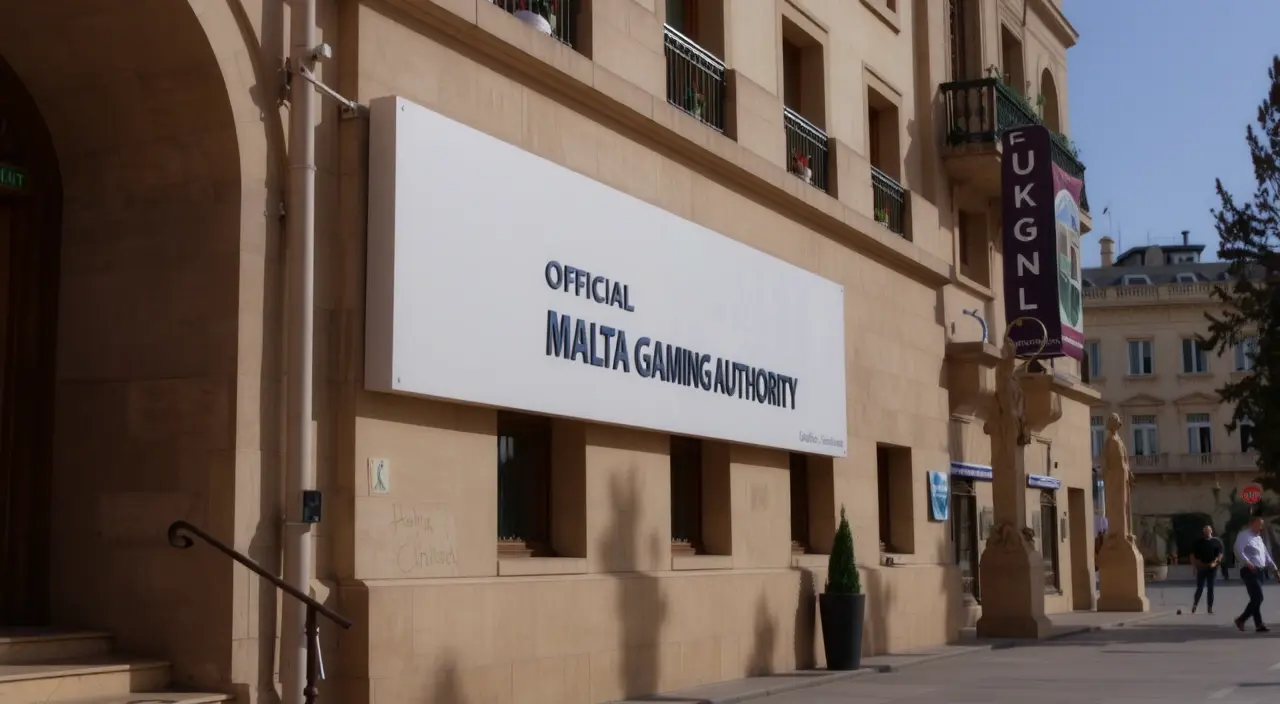
Here's what most US operators discover 6 months post-approval: getting your MGA license was the easy part. Maintaining it? That's where the real operational discipline kicks in. Malta Gaming Authority doesn't issue licenses and disappear - they're actively monitoring your operation through quarterly reports, surprise audits, and technical compliance checks. Miss one deadline or filing requirement, and you're looking at suspension notices.
The difference between operators who cruise through renewals and those scrambling every year? A structured maintenance calendar tied to specific MGA directives. We're talking Directive 3 for anti-money laundering protocols, Directive 6 for player funds protection, Directive 8 for social responsibility measures. Each has distinct reporting timelines and documentation standards.
Network42 tracks these requirements across 47 active client licenses. The pattern we see: operators who treat compliance as continuous process (not annual scramble) spend 60% less on emergency remediation. Let's break down what "continuous" actually means in MGA terms.
Annual Reporting Requirements: The Non-Negotiable Calendar
MGA operates on fiscal year cycles with hard deadlines. Your audited financial statements are due within 6 months of year-end. Not "approximately 6 months" - exactly 6 months. Late submission triggers automatic compliance review, which adds 3-4 weeks to any pending approvals you've got running.
What goes into annual reporting beyond financials:
- Gaming tax returns - quarterly submissions with annual reconciliation, calculated at 5% of gross gaming revenue
- Player activity reports - aggregated data on deposits, withdrawals, self-exclusions, complaint resolution
- Technical compliance certificates - independent testing lab verification that your RNG and game algorithms still meet original approval specs
- AML/CFT annual assessment - documented review of your AML/KYC compliance requirements with risk rating updates
The financial statements piece trips up US operators most frequently. MGA requires IFRS accounting standards, not US GAAP. That means engaging auditors familiar with international frameworks - typically adds $8K-$12K to your audit costs versus domestic standards.
Quarterly Compliance Cycles: What MGA Monitors Between Annual Reviews
MGA's compliance monitoring division runs quarterly assessment cycles. They're pulling data directly from your systems through APIs (yes, you agreed to this in your license application). Here's what triggers their attention:
Player protection metrics: Sudden spikes in deposit frequency, transaction amounts exceeding €2,000 without enhanced due diligence, self-exclusion breaches. MGA's algorithms flag these automatically. You've got 48 hours to provide written explanation once flagged.
Technical system stability: Server downtime exceeding 0.5% monthly, game outcome variance outside certified parameters, payment processing failures above 2% of transactions. Each triggers different compliance review protocols.
"We had a payment gateway issue that pushed our failure rate to 2.3% for one week. MGA's system flagged it automatically. Having documented our incident response and remediation plan ready meant the inquiry closed in 72 hours instead of becoming a formal investigation." - Compliance Director, US-licensed operator entering Malta market
This is where your Malta casino compliance checklist becomes operational documentation, not just licensing paperwork. The procedures you outlined during application? MGA expects you're actually following them, with audit trails proving it.
Directive-Specific Obligations: The Details That Catch Operators Off-Guard
MGA publishes 12 active directives covering everything from advertising standards to cybersecurity requirements. Most relevant for ongoing US operations:
Directive 3: Anti-Money Laundering Framework
You're required to conduct annual risk assessments of your player base, updating your risk matrix based on actual transaction patterns. This isn't theoretical exercise - MGA cross-references your risk classifications against Financial Intelligence Analysis Unit (FIAU) data. Mismatches trigger enhanced scrutiny.
Practical requirement: document every customer due diligence decision. Player deposits €1,500 weekly from new payment method? You need written justification for either flagging enhanced KYC or determining standard checks suffice. MGA reviews these decisions during audits.
Directive 6: Player Funds Protection
Player funds must be segregated in designated bank accounts within the EU. Not "separated on your balance sheet" - physically different bank accounts with specific naming conventions MGA recognizes. Monthly reconciliation reports required, certified by your CFO.
The catch for US operators: you can't use your existing US banking infrastructure. Setting up EU banking relationships takes 6-8 weeks minimum, requires separate corporate documentation, and involves different banking fee structures (typically 0.3%-0.5% of transaction volume).
Directive 8: Social Responsibility Measures
This directive evolved significantly in 2023. New requirements include:
- Mandatory affordability checks for players exceeding €2,000 monthly deposits or €500 single transactions
- Reality check pop-ups every 30 minutes of continuous play (not just hourly anymore)
- Self-exclusion registry integration with Malta's national database, checked at registration and monthly thereafter
- Staff training documentation - minimum 4 hours annually per employee with customer contact, certified by approved training providers
That last point costs more than operators budget. Approved training runs €150-€200 per employee. For a 20-person customer service team, you're looking at €3K-€4K annually just on mandatory training compliance.
Audit Preparation: When MGA Comes Knocking
MGA conducts two types of audits: scheduled (tied to license renewal) and triggered (based on compliance flags or complaints). Scheduled audits you'll know about 60 days advance. Triggered audits? You get 5 business days notice.
What auditors actually examine during onsite visits:
- Server access logs - verifying your systems are actually hosted where you claimed in your application (physically in Malta or approved jurisdiction)
- Employee background checks - confirming key personnel named in your license still meet fit-and-proper requirements
- Third-party agreements - reviewing contracts with payment processors, game providers, affiliate networks to ensure they're MGA-compliant
- Marketing materials - checking ads, emails, social media against responsible gambling guidelines in Directive 8
The affiliate network piece surprises US operators. If your affiliates are running aggressive bonus promotions or targeting self-excluded players, MGA holds you accountable - even if it's third-party content. Your compliance framework needs to include affiliate monitoring protocols with documented quarterly reviews.
License Renewal Process: Not Automatic After Year One
MGA licenses run on 10-year terms, but renewal isn't rubber-stamp approval. Every 5 years, you're essentially re-applying: updated financial projections, revised business plans, new key personnel declarations if there've been changes.
Renewal application timeline and costs:
- 12 months before expiry: Initial renewal notification from MGA, outlining specific documentation requirements
- 9 months before: Submit renewal application with €5,000 processing fee (non-refundable)
- 6 months before: MGA conducts renewal audit, reviews 5-year compliance history
- 3 months before: Final determination, conditional approval issued with any remediation requirements
Key metric MGA evaluates at renewal: complaints ratio. They're tracking player complaints submitted to their dispute resolution service. Ratio above 0.8% (complaints per 1,000 active players) raises red flags. Above 1.2%, you're in formal remediation before renewal proceeds.
Technology Compliance: The Silent Maintenance Burden
Your gaming platform needs recertification whenever you make significant changes: new game integrations, payment method additions, backend system upgrades. "Significant" in MGA terms means anything affecting random number generation, game outcome calculation, or player fund handling.
Recertification process requires independent testing lab approval. Cost range: €3,500-€8,000 per submission depending on complexity. Timeline: 3-6 weeks from submission to approval. During this period, you cannot deploy the changes to live environment - meaning your development roadmap needs buffer time for MGA approvals.
Network42 clients budget approximately €25K annually for technical compliance maintenance: testing lab fees, certification renewals, emergency re-certifications when critical security patches require immediate deployment.
Building Your Compliance Calendar: Practical Implementation
Successful MGA maintenance requires treating compliance as monthly operational task, not annual event. Here's the calendar structure we implement for clients:
Monthly tasks: Player funds reconciliation, self-exclusion registry checks, AML alert reviews, marketing materials compliance spot-checks.
Quarterly tasks: Gaming tax returns, technical system audits, employee training refreshers, third-party vendor compliance reviews.
Annual tasks: Financial statement audits, AML risk assessment updates, key personnel declarations, responsible gambling policy reviews.
The investment in structured compliance: approximately 15-20 hours monthly of dedicated compliance officer time, plus supporting documentation from finance and technical teams. For US operators, this typically means either hiring Malta-based compliance specialist (€45K-€65K annually) or engaging ongoing consulting relationship with firm familiar with MGA requirements.
When Things Go Wrong: MGA Enforcement Actions
Understanding MGA's enforcement ladder helps you calibrate your compliance investment. They operate on escalating intervention model:
- Compliance advisory - informal notice of issue, no formal record, 30-day remediation window
- Compliance directive - formal written notice, recorded in your license file, specific remediation requirements with timeline
- Administrative penalty - fines ranging €5,000-€50,000 depending on severity, typically tied to repeat violations
- License suspension - temporary halt to operations while remediation implemented, rare but happens (we've seen 3 cases in last 2 years)
- License revocation - permanent termination, reserved for serious breaches like money laundering involvement or systematic fraud
The financial impact isn't just the direct penalty. License suspension means shutting down operations completely - no player access, no new registrations, no revenue. For operators generating €500K+ monthly from Malta-licensed markets, even 2-week suspension represents massive business disruption beyond the compliance fine.
Cost Reality: Annual Maintenance Budget Planning
When US operators budget for MGA licensing and compliance resources, they typically account for initial application costs (€25K-€40K) but underestimate ongoing maintenance. Realistic annual compliance budget breakdown:
- Annual license fee: €25,000 (fixed)
- Gaming tax (5% GGR): Variable based on revenue
- Audit and accounting: €15,000-€20,000
- Technical compliance/recertification: €20,000-€30,000
- Compliance personnel or consulting: €45,000-€75,000
- Training and certifications: €5,000-€8,000
- Legal and regulatory advisory: €10,000-€15,000
Total non-tax compliance costs: approximately €120,000-€173,000 annually for mid-size operator. This scales with operation size - larger multi-brand operators can see compliance costs exceeding €300K annually.
The business case for this investment: Malta license provides access to entire EU market (€27B annual gaming revenue) plus white-label opportunities where other operators leverage your license infrastructure. Operators who treat compliance as cost center rather than market access enabler tend to struggle with the ongoing investment.
Network42's Maintenance Support Model
We provide three levels of ongoing compliance support, matched to operator maturity and internal capability:
Full-service compliance management: We act as your outsourced compliance team - handling all reporting, audit prep, MGA communications, technical submissions. Fixed monthly retainer €6,500-€9,500 depending on operation complexity.
Hybrid support: Your internal team handles day-to-day compliance, we manage quarterly reporting and annual audits, provide on-call guidance for issues. Monthly retainer €3,500-€5,000 plus hourly for specific projects.
Advisory-only: You've got established compliance infrastructure, need expert review and MGA relationship management. Quarterly retainer €4,000-€6,000, covers strategy sessions and regulatory update briefings.
Most US operators entering Malta market start with full-service for first 12-18 months, transition to hybrid once their team understands MGA requirements, eventually move to advisory-only for complex situations. This progression typically saves 40-50% on compliance costs by year three while maintaining same oversight quality.
Staying Ahead of Regulatory Changes
MGA updates directives 2-3 times annually, often with short implementation windows. Recent example: 2023 affordability check requirements gave operators 90 days to implement new technical controls and revised procedures. Operators without structured monitoring system spent €15K-€25K on emergency implementation. Those tracking MGA consultations integrated changes during planned development cycles at fraction of cost.
Our regulatory monitoring service provides:
- Weekly digests of MGA consultation papers and directive updates
- Impact assessments for your specific operation (which changes affect you, estimated implementation cost)
- Implementation roadmaps with technical specifications and timeline recommendations
- Compliance verification once changes deployed
This monitoring is included in full-service packages, available as standalone service for €1,500 monthly for operators managing own compliance but wanting early warning system for regulatory shifts.
The Compliance Mindset: Long-Term License Value
Here's the perspective shift successful Malta-licensed operators make: compliance isn't overhead protecting against penalties. It's the operational discipline that makes your license valuable for M&A, white-label partnerships, and market expansion.
We've seen operators with clean 3-year compliance records command 15-20% premium valuations when seeking acquisition or investment. Potential buyers aren't just evaluating your revenue - they're assessing regulatory risk. Documented compliance history, zero MGA enforcement actions, structured processes that survive audit scrutiny - these factors directly impact deal terms.
Similarly, if you're considering white-label licensing (allowing other operators to use your MGA license infrastructure), your compliance track record determines partnership terms. Operators with spotless records can command 8-12% revenue share on white-label deals. Those with compliance advisories or past penalties? Maybe 4-6%, if partners engage at all.
Network42 works with operators from initial application through this entire value lifecycle. Whether you're 6 months in wondering why compliance feels overwhelming, or 3